The tell was in the timing.
Last week the Treasury reportedly sold $25 billion of 30-year bonds at 5.216% — the highest auction rate since 2001. That clearing yield was set before a single tanker was hit, before Trump ruled out extending the June ceasefire, before Brent closed above $90.
So when the truce expired Monday and the 30-year punched through 5.31% — the highest since 2007 — the market wasn't discovering a new inflation risk. It was pouring accelerant on a fire already burning at the long end.
The wires all recite the same clean chain: Hormuz stalemate, higher oil, revived inflation, rising yields. Brent up more than $2 to $90.87. Gasoline above $4 a gallon, a 36% jump since the war began. It's tidy, and it's incomplete.
The auction result is the counterexample the narrative has to explain away. Duration was already the most expensive it had been in a quarter-century before the oil shock arrived. Iran is the marginal driver of the last twelve basis points, not the cause of the first hundred.
This continues a thread from two weeks ago, when the long end turned political on issuance alone — a $2 trillion deficit and a supply glut doing the work with no exogenous trigger. What's new this week is the trigger: an oil shock is now the marginal push on a curve that had already repriced.
And here is why that matters more than it should. In the old regime, a supply-side energy shock and a fiscal supply glut traded off against each other. War scares oil higher, inflation fears rise — but fear also sends money into the safest, longest asset. Flight-to-duration. The bid for Treasuries offsets the inflation premium. The long end stays anchored.
That mechanism has broken. This week the two pressures compounded instead of canceling. Oil went up and the long bond sold off — hard, and simultaneously, everywhere.
Masahiko Loo at State Street put the diagnosis plainly: "This feels more like a buyers' strike than a sellers' panic." Not existing holders dumping in fear — new buyers refusing to show up at the old price.
This feels more like a buyers' strike than a sellers' panic — not existing holders dumping in fear, but new buyers refusing to show up at the old price.
His reason is the whole story: "Markets are rediscovering term premium in a world where fiscal deficits, heavier bond supply and AI-driven capital spending are all competing for capital at the same time."
Term premium is just the extra yield lenders demand for locking money up for thirty years. For a decade it was compressed near zero. It is now being rebuilt in real time, and the rebuild is structural, not cyclical.
Think of it as a single pool of savings with three hands reaching in at once. The government is the classic hyper-borrower — it borrows first, pays whatever it takes, and leaves the scraps for everyone else. That's the $2 trillion deficit.
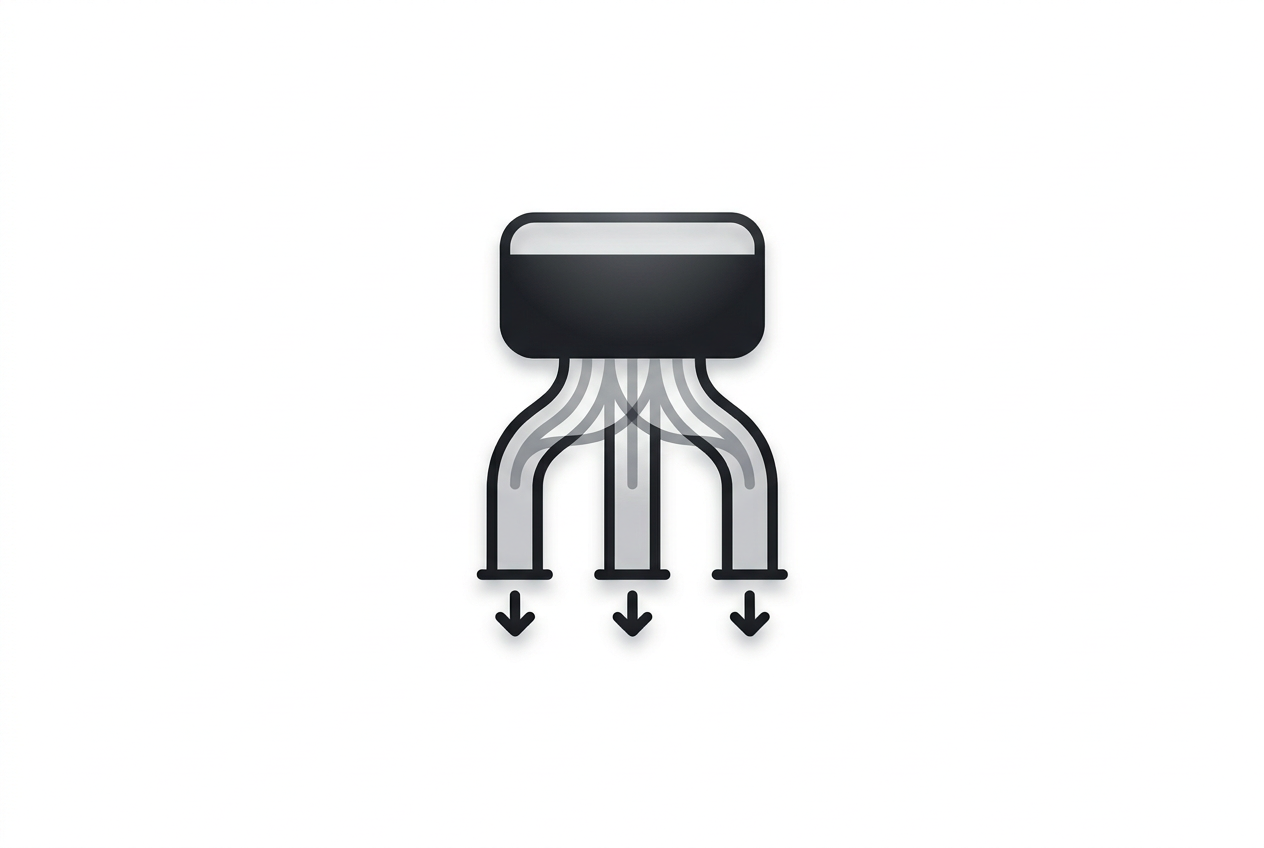
Then AI became a second hyper-borrower. High Frequency Economics' Carl Weinberg estimates up to $600 billion borrowed over the past year for AI infrastructure, utilities, and data centers, with another $200 billion of issuance already "on the hopper."
His point is that this is new money drawn from the exact pool that funds the deficit and every small business's expansion. "They and the government together are crowding out investment by small businesses, and that's what's driving up bond yields."
Now add the third hand: a rising oil-import bill. A prolonged Hormuz closure means dollars flowing out to pay for energy instead of into duration. Three claims on one pool, and none of them is going away.
That's the compounding regime. In the flight-to-duration world, an oil shock brought buyers in. In the term-premium world, an oil shock is just one more competing claim — so it drives buyers out. Same shock, inverted response.
Which brings us to the reaction function that used to save the day. ING flagged what didn't happen this week: "Typically, moves above 4.65% for the U.S. 10-year have been followed by some soothing words from the Trump administration, typically centred on an imminent resolution to the war with Iran."
"This time, we're not hearing the same." The 4.65% jawbone line — the level at which, per ING, the administration has typically produced reassuring noise about a deal — reportedly held for months. It stopped working this week because it's not being deployed.
And it can't be deployed honestly. The old script needed a plausible "imminent resolution" to point at. Trump instead ruled out extending the ceasefire, told Fox he'd "bomb the s--- out of" Oman if it interfered, and claimed the strait was "open" — a claim that didn't survive contact with the data, which showed just three ships crossing Sunday against a prewar norm near 130.
You cannot jawbone oil down without a deal you refuse to make. The administration has spent months insisting prices would collapse once the war ended; instead oil is nearly 50% higher than at the start of the year. The verbal lever appears to be gone because the underlying policy contradicts it.
So the compensation the market now demands for holding duration has become politically sticky. It won't come down on a phone call, arguably because the one variable the White House controls — whether to seek a Hormuz settlement — is the one it has chosen to leave switched off.
The cruelest part is who pays. This is a US-Iran standoff, priced into US term premium, exported to everyone.
Canadian borrowing costs hit their highest since 2009. Germany's 10-year bund is at a 15-year high. France reached its highest yield since 2008. Japan's 10-year reportedly hit 2.941%, a three-decade high. Yields spiked across British, Italian, Swiss, and Canadian curves too.
The mechanism is the plumbing Weinberg described: "everywhere in the world people are sending money to the United States to fund this. So the balance of payments is subtracting savings from other countries and making their bond yields go up as well."
Ottawa has no lever over the Strait of Hormuz. Neither does Paris or Tokyo. Yet the global savings pool is drained through Washington's fiscal-plus-AI intake, and when an oil shock lands on top, the term premium repriced in Treasuries appears to be transmitted straight into their curves.
It shows up in the underlying flows too: foreign holdings of US Treasuries reportedly fell $72.1 billion in June, with both Japan and China cutting positions. The buyers' strike Loo describes isn't a metaphor — it's already visible in the tape.
The equity read-through is the smaller story but confirms the diagnosis. Microsoft fell 3.04% and Meta 3.54% on Monday, per Bitget data, the primary drags — high-duration cash flows discounted at a higher rate. Rising yields raise the hurdle rate for exactly the names that borrowed to build the thing pushing yields up.
The trap is now legible. The deficit is structural. AI's borrowing is accelerating. Oil is hostage to a war the administration won't end. And the one tool that used to cap the move — soothing words about an imminent deal — has been retired by the same policy that keeps oil bid.
The 30-year didn't clear at 5.216% because of Iran. It cleared there because duration is being repriced for a world of permanent competing claims. Iran just proved the market can no longer be talked down.