
The industry is telling you September 15 is the whole game. It isn't. The man who runs the CFTC just told you why.
Brian Armstrong says CLARITY is on track to clear 60 Senate votes on September 15, expressing confidence it will pass its first procedural hurdle. Coinbase is running a public whip campaign — "while the market has your attention, there's something you need to do" — pointing retail at their senators. The Blockchain Association's closing pitch, which the thread frames in the context of hesitant banks: "The bill is written. The work is done. September 15 is the vote. Take yes for an answer."
That is a coordinated wall of manufactured certainty, and it aims at a single outcome: passage. The subtext is that a stall is the loss condition, the thing to be feared, the reason to stop asking questions and vote.
Then Michael Selig stood up at the CFTC's inaugural Innovation Advisory Committee meeting and made passage optional.
Last week we tracked whether the September vote would advance or die, and whether the Tillis-Gallego ethics provisions survive to the floor. This week the vote has a date — September 15 — and the CFTC has quietly built a backstop that changes what a "no" on that date actually means.
Here is Selig, verbatim: "If Clarity continues to stall because of Democrat obstruction, the CFTC will utilize its existing authorities to begin establishing a regime for crypto asset markets." He is not musing. He has "directed the CFTC staff to begin exploring rules to codify a CFTC market structure for crypto assets using the agency's existing authorities."
And he pre-committed on speed: "Rest assured, I will direct CFTC staff to move swiftly to propose these rules for the industry."
Read what that fallback covers. Under the framework Selig outlined, current CFTC registrants and currently unregistered crypto exchanges could both come under agency oversight and offer leveraged or margined trading under digital-asset-tailored rules. He also directed staff to engage on-chain finance protocol developers on how to "offer their protocols in a legal and compliant manner."
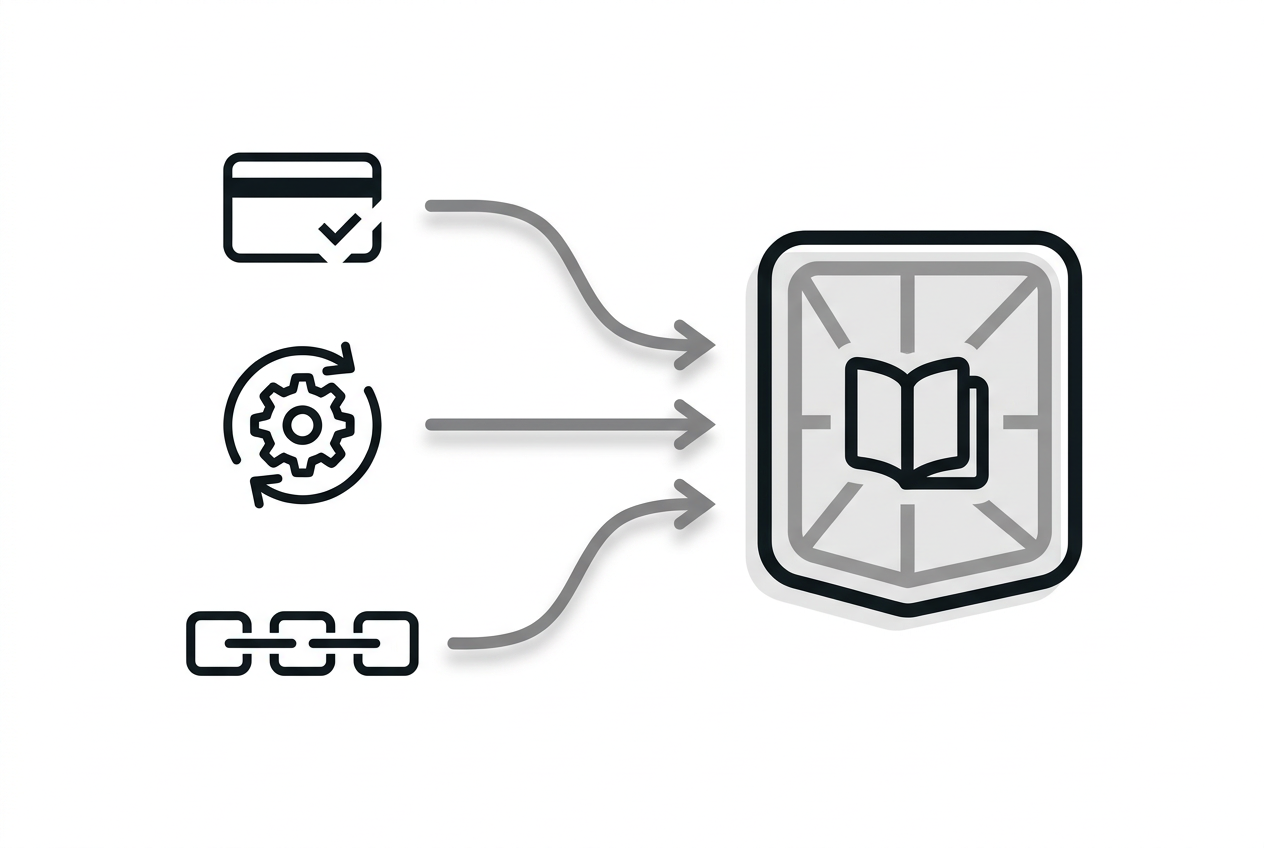
Exchange registration. Leveraged trading. On-chain protocol rules. That is, substantively, the market-structure regime the industry has been chasing through CLARITY — delivered by a Trump-appointed regulator without a single vote.
Notice what the fallback does not contain. Nothing in Selig's plan restricts the president's crypto ventures, because the ethics provisions live only in the bill.
That is the detonation. The ethics fight had leverage because CLARITY was the only vehicle carrying the rules. Democrats could hold the whole regime hostage to the Tillis-Gallego divestiture language because there was no regime without the bill. Selig just severed that link.
The ethics fight had leverage because CLARITY was the only vehicle carrying the rules. Selig just severed that link — the bill is no longer the only door.
Now the industry gets exchange registration, leveraged products, and DeFi guidance whether or not Democrats extract ethics concessions. The bill is no longer the only door. It's the door with the guardrails attached.
Which reframes the entire September 15 vote. Passage is not the finish line the whippers are pretending it is, and a stall is not the catastrophe.
For the industry, a stall costs almost nothing substantive. They wait for Selig's rulemaking, which arrives "swiftly," covering the same ground. The only thing they lose is durability — Selig himself concedes agency rules "can be unwritten by the next one," which is exactly why he calls the bill "the most important step towards future-proofing this industry."
But that durability argument cuts against the industry's own interest in one specific way: the version of the regime that's harder to reverse is also the version that comes with statutory ethics restrictions on Trump. The stable outcome and the ethics-constrained outcome are the same outcome.
So who actually loses if September 15 stalls? Not crypto exchanges. Not DeFi developers. Not Coinbase.
The people who lose, by this article's reading, are the 63% of Americans who told Reuters/Ipsos it was inappropriate for Trump and his family to have profited from crypto the way they have. And the 69% who believe his private business interests are shaping his decisions in office.
That group is not a partisan sliver. Reuters reports the 69% who believe his business interests are shaping his decisions includes two-thirds of independents, nine in ten Democrats — and, most striking, roughly half of Trump's own Republicans said they think he lets business interests influence his decisions.
Those are the people the Tillis-Gallego provisions exist to protect. And those provisions live only in the bill. Kill the bill, and you kill the guardrails, while the substantive rules arrive anyway through the CFTC.
Trump has been explicit about what he wants: a "fair version" of CLARITY, which per reporting is reportedly a reference to the disputed ethics provisions he says single him out. His disclosures show more than $1.4 billion earned from ventures like World Liberty Financial and his meme coin. The provisions he calls unfair are the ones that would restrict exactly those ventures.
This is where the vote's real stakes crystallize, and they are entirely political.
Scenario one: Democrats supply the roughly six votes needed for 60, and they do it on a "fair version" — meaning Trump gets the rules with the ethics restrictions stripped. The public overwhelmingly wants those restrictions kept; the bill passes without them.
Scenario two: Democrats hold the line on Tillis-Gallego, refuse the votes, and force a stall. CLARITY dies for now. Selig then writes substantively the same regime by fiat — exchange registration, leveraged trading, on-chain protocol rules — with no ethics constraints on Trump anywhere in it.
Look at what those two paths have in common. In both, the industry gets its market structure. In both, the Trump ethics guardrails do not survive.
That is the trap Selig has quietly built. He has made "no ethics restrictions on Trump" the outcome of both passing a fair bill and stalling entirely. The only path that preserves the guardrails is passing the original Tillis-Gallego language — a version the White House has reportedly resisted, given Trump's objection to provisions he says single him out, and one the industry's whip campaign conspicuously does not mention.
The Blockchain Association frames the ethics debate as a distraction from protection: the guardrails Rob Nichols wants, they argue, are "already in the bill," and reopening them only strips something 67 million Americans can do. That's a clean argument about consumer protections. It is silent on the presidential-conflict provisions, which are the actual fight.
That silence is the tell. "Take yes for an answer" only works as pressure if you believe saying no is dangerous. Selig has made saying no safe — for everyone except the public.
Watch September 15 for the vote count, yes. But watch harder for which version reaches the floor. If it's a "fair version" with Tillis-Gallego gutted, cloture passing is the ethics provisions dying. If Democrats stall to save those provisions, Selig has already promised to route around them.
The manufactured certainty was never really about whether crypto gets rules. It gets rules either way. The one open question is whether the ethics restrictions that a supermajority of Americans — including half of Trump's own party — want kept survive contact with a process that has quietly been engineered to discard them.
That question does not get answered by 60 votes. It gets answered by whether anyone is still asking it on the 16th.