
Here is the tension nobody selling Grok Bot wants to sit with: the same account that produced this year's most-shared automation also filed this week's most damning bug report. Same product. Same power user.
Andrew Wilkinson posted an automation that made the rounds because it felt like the future arriving on schedule. A Bee Pioneer AI pin records his day. Every night at 7 p.m., a Grok Bot he calls "Relationship Coach" hooks into the API and plays personal and couples therapist, telling him how to be a better partner, business partner, and friend.
That is the demo. Ambient capture plus an always-on autonomous agent plus a specialist persona, wired together by one person in an evening. "Insanely valuable," he wrote.
Then, reportedly days later: "Having major issues with Grok @bot. I have about 15 bots and they now frequently say they'll do something then flake or disappear. Can anyone on the @bot team help?"
The distance between those two posts is the whole story.
Start with the evangelist framing, because it's loud. "Grok Bot will be the breakout AI product of 2026," Ben Lang reportedly wrote, with a starter list: launch a use-cases newsletter, host a build night, publish a directory, start a power-user Discord. The moat, in this telling, is architectural — multiple bots, multiple connected accounts, each one always running, each one a job rather than a project.
The official pro tips push the same direction. Connect personal and work Gmail to the same plugin. Run a Chief of Staff plus specialists instead of one mega-chat. Pin your top agents. And tip nine, the accelerant: "Consider turning on Always Allow and turning off Auto Review to make your bots more autonomous."
That parenthetical — "be careful!" — is doing a lot of unacknowledged work.
Here is what the careful reader should notice: every one of those features assumes the substrate underneath is reliable. They are all instructions to increase the number of autonomous actions the system takes without a human in the loop. They only make sense if the actions actually execute.
They didn't.
Go to the forum, where the diagnosis lives. A user running three agents on one account reports that chat works fine — but "tools die before they start." Web search, page fetch, shell, even a bare echo command. The error is always the same: "Aborted / Command failed to spawn: Aborted."
Read that carefully. It is not the model refusing. It is not a destination site failing. The tool call never spawns. Spreadsheet jobs abort. Changing a routine's time aborts. A CPU check never launches. The agent is willing; the runner beneath it is dead.
And the timing is the part that should worry any product person. The failures started inside a status.cursor.com incident window — but they persisted after the status page went green around 1:08 UK. A final smoke test, a plain echo, still returned "Command failed to spawn: Aborted" at 1:23 UK, fifteen minutes into "all systems operational."
The green dashboard was lying. The workspace runner had stalled and stayed stalled while the public health check reported fine. For that user, the verdict was blunt: "Cursor is unusable."
The resolution is the most telling detail in the entire evidence pack. "Yes, a reset worked. Turns out the runner above the agents had stalled. Reset fixed it."
That is the current fix for a paid tier of autonomous agents managing your Gmail, your Notion, your relationships: a reset worked. Turn it off and on again.
That is the current fix for a paid tier of autonomous agents managing your Gmail, your Notion, your relationships: a reset worked. Turn it off and on again. This is what pre-production looks like when it's wearing a "breakout product of 2026" costume.
Now connect it to Wilkinson's fifteen bots that "say they'll do something then flake or disappear." That phrasing is not vague user confusion. It is a precise, accurate description of exactly this failure mode. The agent commits to an action in chat — chat works — and then the tool call aborts silently underneath. It said it would. It didn't. It disappeared.
Same bug. Higher blast radius.
The architectural reason comes from Kevin Neilson, who is reportedly with Cursor, answering a separate report about a bot that couldn't finish a normal HTML-report workflow. His explanation is the load-bearing sentence for this entire product category: "Your Bots share one cloud computer (same files, sessions, and logins). Each Bot has its own screen on that computer."
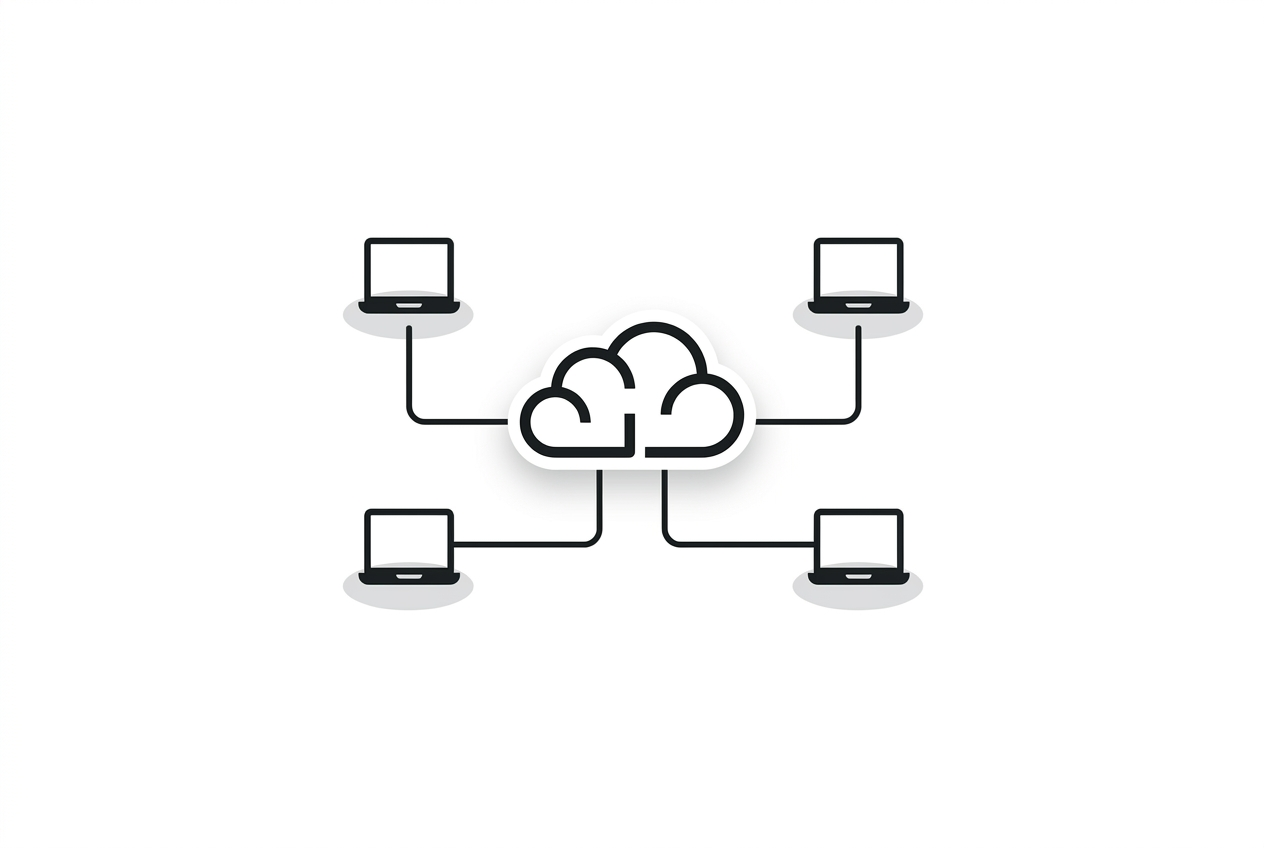
Read that against the evangelist pitch. The pitch says: run fifteen specialists, pin your favorites, treat each as a job. The architecture says: those fifteen jobs are all tenants on one shared cloud computer.
So when the runner above the agents stalls, it doesn't degrade one bot. It takes the whole floor. Fifteen specialists don't fail independently and gracefully — they share a single point of failure, and the multi-bot setup that's sold as leverage is, mechanically, leverage on the downside too.
This is why capability may not be the product's problem. The model appears fine. Grok 4.6 appears fine. The personas are clever, the connectors are genuinely novel, and the Relationship Coach demo works when it works. None of that is the constraint.
The constraint is a shared runner that aborts every tool call while reporting green, fixable only by a manual reset the user has to know to perform. No amount of persona design fixes a substrate that silently stops spawning commands.
And the features being evangelized actively make this worse, which is the uncomfortable part. "Always Allow" and "Auto Review off" remove the human checkpoints that would otherwise catch a bot that flaked. Fifteen pinned specialists on one shared computer multiply the surface area that one stalled runner can take down.
The pro tips are optimizing for autonomy on top of a substrate that cannot yet be trusted to autonomously complete a curl. You are being told to widen the blast radius before the plumbing is sealed.
There's a second, quieter reliability tell in the same forum thread: images posted in a group chat never reach the agents, though the identical image works in a 1:1 DM. Neilson's answer explains it — a group chat has no Computer of its own, so there's no shared surface for the bots to see. Reasonable architecturally. But from the user's seat, it's another silent flake. It said it would; it didn't.
Which brings us to Compile on September 16, the London user conference where the SpaceXAI and Bot teams will reportedly meet.
The pre-written narrative for that day is a feature roadmap — more connectors, more autonomy, more reasons to believe in 2026. The evangelist flywheel is already spinning: newsletters, meetups, directories, all monetizing anticipation.
But the real question Compile has to answer isn't which features ship next. It's whether the substrate underneath those features will still be spawning shell commands an hour after the status page goes green.
Because right now the honest state of the product is reportedly two posts, days apart, from one man. One says insanely valuable. The other says they flake and disappear and can anyone help.
Both are true. They describe the same product. And until "a reset worked" stops being the fix, the second post is the one that scales.