Health & Training · Week of August 6, 2026
When old models break: habits, motivation, medication, and the machines we lean on
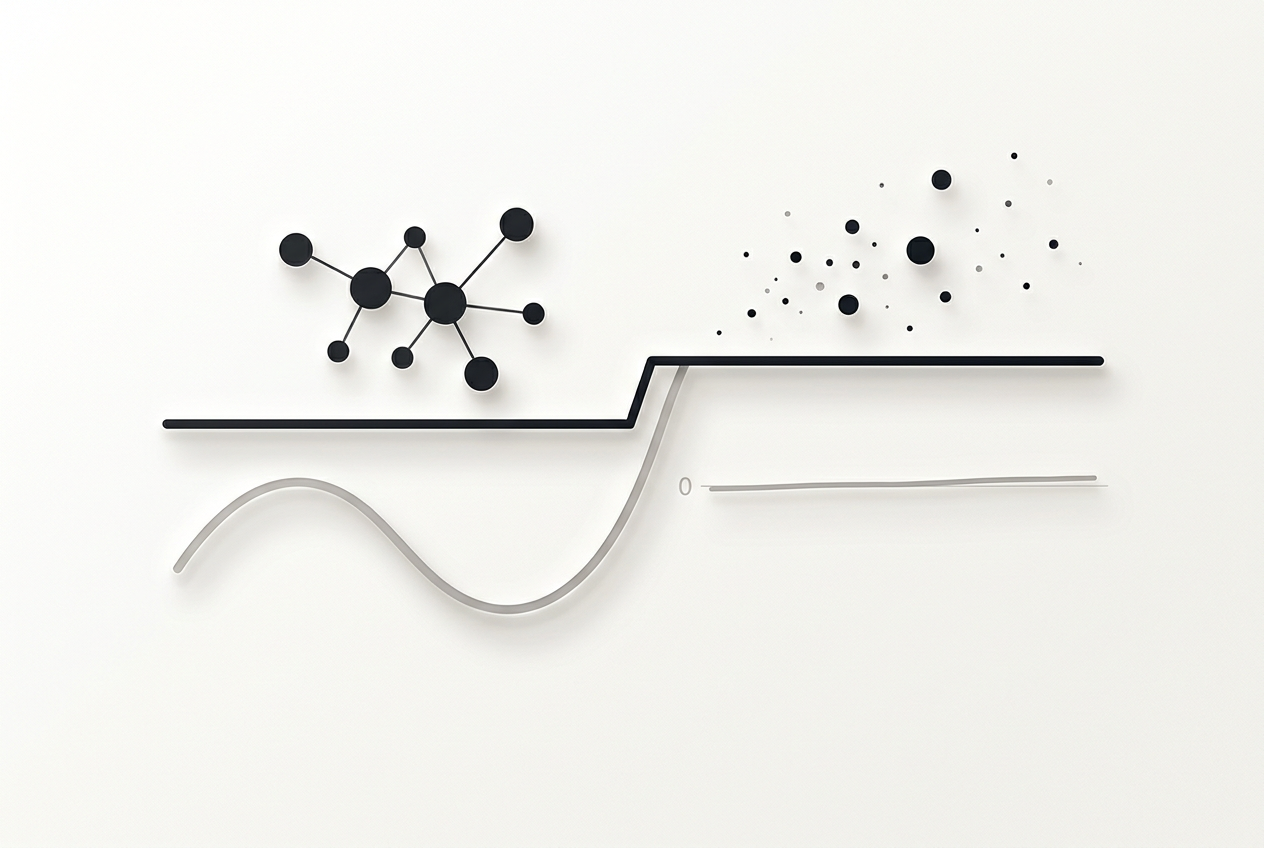
- The Phase-Change Habit: New Neuroscience Says Behavior Switches On, It Doesn't BuildFour extra days of training. That is the entire span, in the Kyoto team's paradigm, between a mouse that deliberates over an action and a mouse that runs it as a habit. Not weeks. Not sixty-six days. Four.
- A Machine's Empathy: One in Four Adults Now Turns to AI for Emotional SupportGPT-4 scores 96.58% on emotion identification and a perfect 100% on inferring what a person desires. Ask it who feels what, and it is right nearly every time.
- GLP-1s, Addiction, and the Limits of Off-Label HopeHere is a contradiction worth sitting with. The same small circle of scientists producing the most compelling evidence that GLP-1 drugs might treat addiction are also the people telling you, in print, not to prescribe th…
- The Loneliness Behind the Numbers: Veterans, Suicide Risk, and a Problem Clinics Can't TreatFollow a national cohort of 2,307 veterans for seven years, and one number rearranges everything you thought you knew about who attempts suicide.
- Does Poverty Sap Motivation? A 3.5-Million-Student Study Says the Story Is WrongArticle — "Does Poverty Sap Motivation? A 3.5-Million-Student Study Says the Story Is Wrong": Three million, five hundred seventy-six thousand, two hundred seventy-eight fifteen-year-olds. Ninety-two countries. Eight PIS…
Threads we are following
- Whether any human-viable protocol can locate or trigger the habit threshold that mouse studies can only flip artificially
- Whether the line between 'algorithm' and 'human social actor' survives once AI becomes a substitute for human relationships, not just a rehearsal for them
- The ongoing semaglutide RCTs for alcohol use disorder—will randomization confirm the observational signal or collapse it to the obesity subgroup again?
- Whether emerging social-prescribing and peer-support trials can demonstrate that reducing loneliness actually lowers veteran suicide attempts, not just correlates with risk
- Whether capacity-targeted interventions (reducing cognitive load from financial strain) actually close the achievement gap where motivation interventions failed
One issue a week. Free.
sift. reads hundreds of sources so you don't have to, and sends one issue you can actually finish. No daily noise. Unsubscribe anytime.