
Claude Moves Into Mainstream Design Workflows—At Awkward Token Cost: Eighty percent of a weekly Claude Pro allowance, gone in roughly 25 minutes, for three variations of a single webpage prototype.
That was PCWorld's verdict on Claude Design at launch. The reviewer's summary was blunt: "We're talking another token-hungry Claude product here, one that Pro users in particular will barely be able to use before burning through their usage limits."
The tool pulled more than a million users in its first week. It also priced most of them out of using it twice.
On June 17, Anthropic shipped the fix. The June overhaul is real work, not a press release: shared usage limits, fewer tokens per turn, a canvas editor that lets you drag a button two pixels left without spending a model call.
So the obvious question is whether "fixed" means what the marketing implies. And the honest answer is no—because practitioners are still writing model-routing arithmetic into their configs and running scripts that make Claude talk like a caveman to stay under budget.
The fixes didn't dissolve the cost problem. They relocated it—off the meter and into the practitioner's config file.
The fixes didn't dissolve the cost problem. They relocated it—off the meter and into the practitioner's config file.
Start with what genuinely improved, because it's substantial. The old workflow routed every change through chat. Want to nudge a button? Type a sentence, wait, burn a turn. On small tweaks the bill compounded viciously.
The new canvas editor makes drag, resize, and align direct-manipulation actions. None of them trigger a model call. You spend tokens only when you actually need Claude to generate or rewrite something.
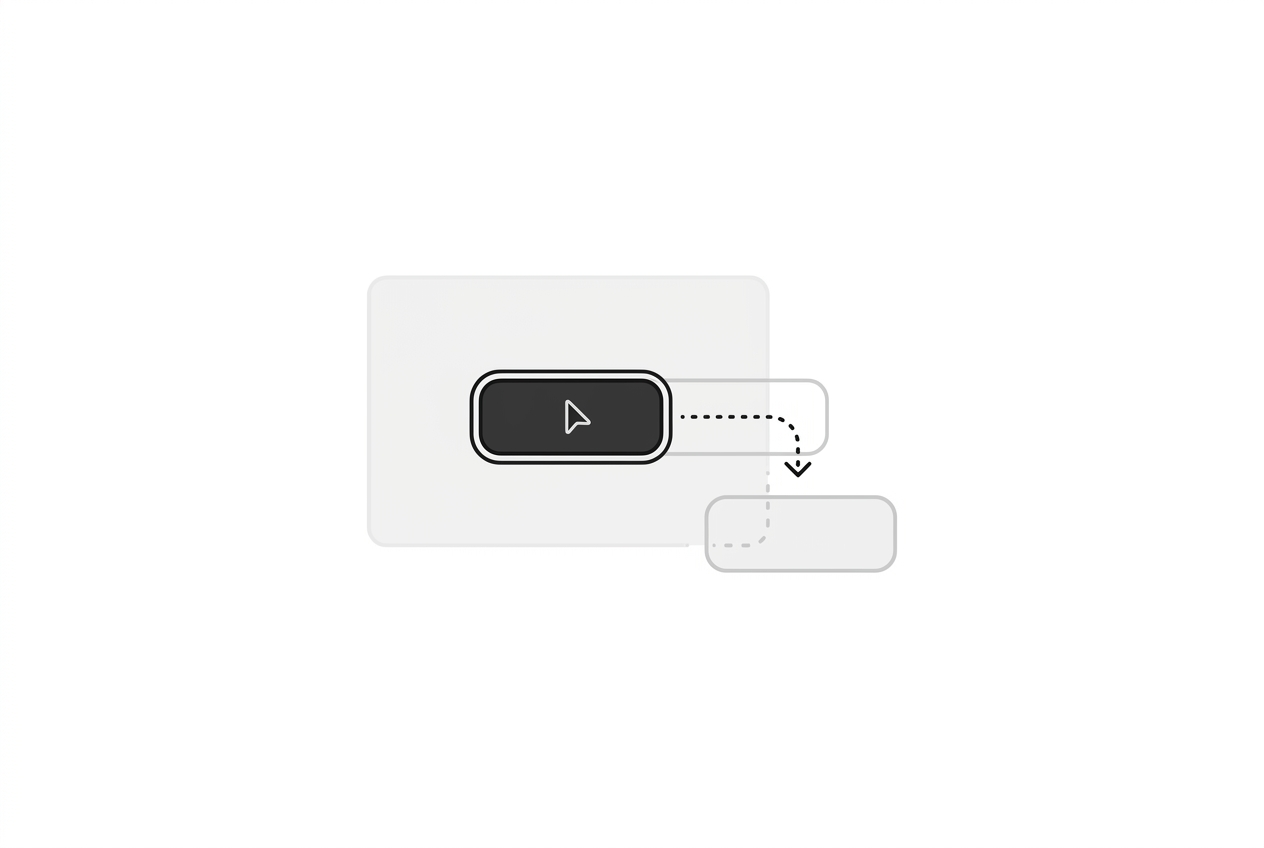
Pair that with fewer tokens per turn and a shared quota pool—Claude Design now draws from the same limit as chat, Cowork, and Code—and the single-session wall recedes. You can iterate without watching the meter the whole time.
That's the frictionless story Anthropic wants you to hear. Here's the part the story leaves out: the meter didn't disappear. It just became something you now have to manage yourself.
Consider model routing. Anthropic released Sonnet 5, which it describes as more token efficient, and by one author's own estimate you get roughly 94% of Opus 4.8 at half the price, $2 and $10 per million input and output tokens respectively.
That 94% figure is only a saving if you know when to spend it. Route everything to Opus out of habit and you've thrown money away.
So the practitioner now carries a mental cost model: which tasks tolerate the cheaper model, which demand the expensive one, when the quality gap matters and when it's invisible. That arithmetic used to be the vendor's pricing problem. Now it's your routing skill.
Then there's context engineering, which the discipline treats as a way to get better outputs—and it is. But look at what it's actually defending against.
The failure modes are specific: Claude builds something that technically works but doesn't match the product or architecture, or it forgets decisions from a previous session and repeats the same mistake. The fix is to author a proper information space—project files, design rules, coding standards, memories, workflows, subagents.
Here that tax is literal. Every time Claude forgets your architecture and you re-explain it, you pay in tokens. Every regenerated wrong answer is metered.
Which means context engineering is not just a quality practice. It's cost control. You build the info space so you stop paying the re-explaining tax turn after turn.
That's real labor, and it's labor the tool's frictionlessness marketing quietly assumes you'll perform. Claude Code alone reportedly carries a configuration surface of more than 200 variables. Getting the setup right is now part of what it means to afford the tool.
And then there is the reductio ad absurdum—the point where the relocated cost becomes visible enough to laugh at.
It's called Caveman, a Claude Code skill built for one purpose: make Claude talk like a caveman to reduce token usage. Ask it to investigate a React re-render and the normal answer runs a full paragraph—the component receives a new object reference each render, inline objects are recreated each time, React's shallow comparison treats them as different, wrap it in useMemo to preserve the reference.
With Caveman active, that becomes: "New object ref each render. Inline object prop = new ref =…"
Sit with what that is. Teams are deliberately degrading the model's prose—stripping explanation, clarity, the actual reasoning—not because the terse version is better, but because output tokens cost $10 per million and the paragraph costs more than the fragment.
This is the meter reasserting itself in the most literal way possible. Anthropic made turns cheaper; practitioners responded by making Claude speak worse to make them cheaper still.
Caveman is a joke that happens to be true. It's the clearest evidence that the June update relocated the cost problem rather than solving it—because if the fix had worked, nobody would be writing scripts to lobotomize the model's vocabulary.
None of this means the overhaul was hollow. The canvas editor really does stop you from burning a turn on a 2px nudge, and that fixes the worst economic embarrassment of the April launch. Fewer tokens per turn and a shared pool are genuine mercies.
But add up what the practitioner now owns to make the tool affordable. You author the routing logic that decides Sonnet versus Opus. You build the context scaffolding that stops the re-explaining tax. You configure 200-plus variables. And, if you're the sort who installs Caveman, you tune the model's own speech for cost.
That is not friction removed. That is friction moved—from a meter the vendor manages to a config file you author.
The uncomfortable conclusion is that "token-efficient" has become a design competency. It sits alongside typography and information architecture now: a thing you're expected to be good at, a skill that separates the practitioner who ships within budget from the one who burns 80% of a quota in 25 minutes.
The tools market this as the vendor solving a problem. What actually happened is the optimization work got outsourced to you—and then quietly rebranded as your expertise.
Learn the token economy, because nobody is going to learn it for you. The meter is still running. It just runs through your configuration now.