
Article — "Tether's First Full KPMG Audit Lands a Clean Opinion With $6.8B Reserve Surplus": Article — "Tether's First Full KPMG Audit Lands a Clean Opinion With $6.8B Reserve Surplus": According to Stablecoin Insider, Tether holds more than 146 metric tons of physical gold, and KPMG physically counted and inspected every individual bar, bar by bar, verifying the existence and identifying information of each one rather than trusting a custodian's report. That single procedural detail is the whole point of what happened on August 13.
For nearly a decade, Tether's critics asked one question: does the gold actually exist, and does anyone independent check? An attestation says a number is fairly stated on a given day using limited procedures. It does not send a person into the vault. This audit did.
So take the methodological upgrade seriously. KPMG U.S. issued an unqualified opinion on Tether International's 2025 financial statements, testing transactions, systems, ownership records, valuations, counterparties, and underlying evidence across the full balance sheet, income statement, statement of changes in equity, and cash flows. That is a genuine step up from the quarterly BDO Italia attestations Tether has published since 2022.
Last week's open thread asked whether a KPMG audit would affirm Tether's reserve buffer given its gold and Bitcoin allocation. This week we have the answer, and it is narrower than the headlines suggest: KPMG affirmed the buffer as it stood on one day, and never touched the allocation that has since halved it.
Start with the word doing the heavy lifting. "Unqualified" is auditor jargon for the best possible outcome — an opinion issued without reservations, exceptions, or caveats. It means the statements present fairly, in all material respects, Tether's financial position as of December 31, 2025, under US GAAP.
That is precisely what it means, and nothing more. An unqualified opinion is not an endorsement of the business model. It does not guarantee Tether can meet redemption obligations under stress. Even the friendliest coverage concedes this.
Ardoino's framing implies otherwise. "For years, some detractors said an audit of Tether could not be completed," he wrote, calling the result proof against "detractors' false claims, competitors' lies, political attacks." The victory lap conflates a clean point-in-time balance sheet with a permanent verdict on USDT's safety.
Note also what the public actually sees. A KPMG spokesperson confirmed the firm issued an unqualified opinion but had "no further comment due to client confidentiality." CoinDesk asked Tether whether it would share KPMG's findings and received no response.
So we have the conclusion, not the workpapers. We know the surplus figure — $6.814 billion at year-end — but the reserve composition underlying it, the valuations KPMG tested, the counterparty exposures, all of that sits behind confidentiality. The market is asked to trust the opinion letter, not to inspect the evidence.
We have the conclusion, not the workpapers. The market is asked to trust the opinion letter, not to inspect the evidence.
Now the load-bearing gap. The opinion is dated December 31, 2025. It is, as of this writing, more than seven months old.
And the reserve buffer has not sat still. Per Stablecoin Insider, the audited surplus of $6.814 billion rose to a record $8.23 billion in the Q1 2026 attestation, then fell to $4.11 billion by June 30 — a swing reportedly driven by declines in gold and Bitcoin holdings that no audit has yet examined.
Read that sequence carefully. Between the audited date and midyear, the surplus nearly doubled and then more than halved. The buffer moved by roughly $4 billion in six months, and none of that movement fell under KPMG's examination.
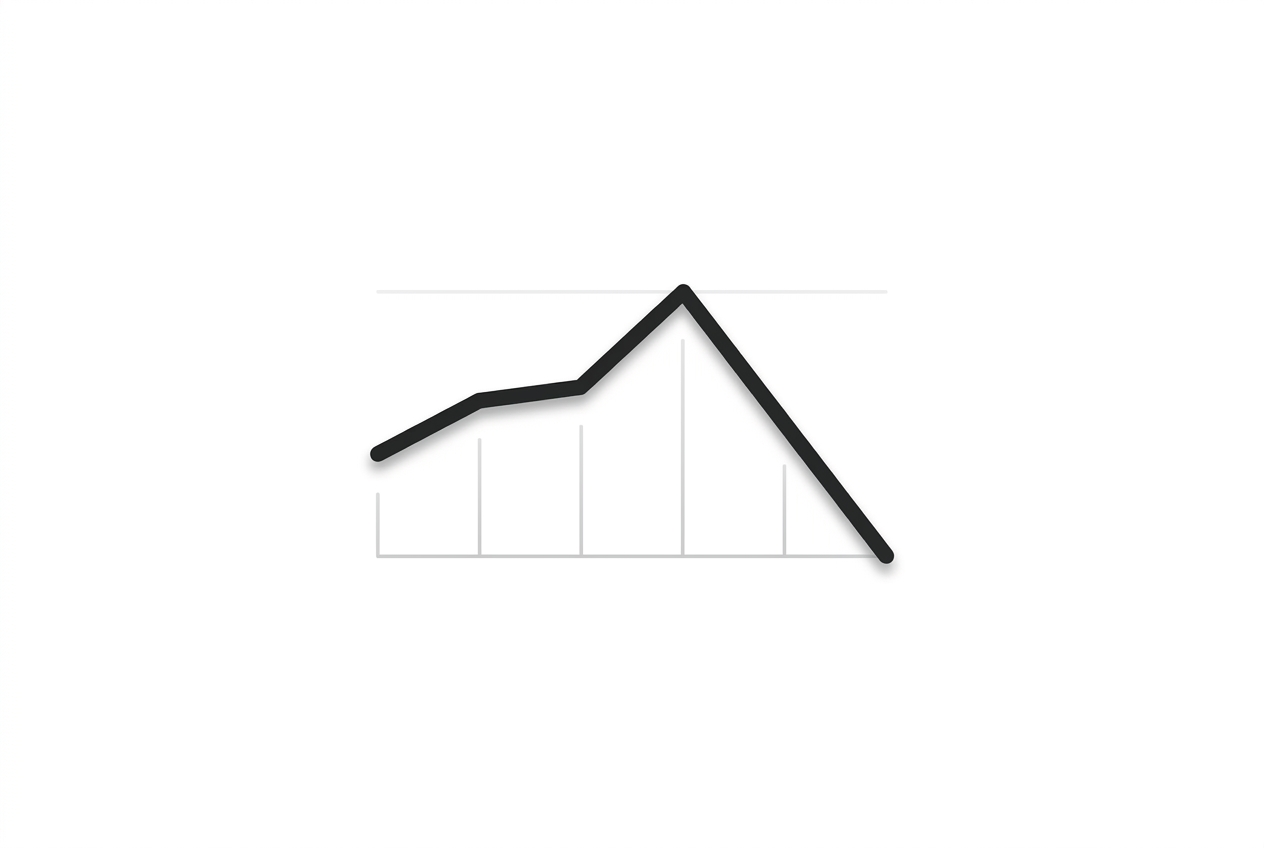
This is the structural problem an annual audit cannot solve. The audit certified the buffer at what turned out to be one of its healthier readings, then said nothing about the composition — gold and Bitcoin — that caused it to collapse by June. The volatility that makes verification valuable is exactly the volatility a year-end snapshot cannot capture.
It matters because gold and Bitcoin are mark-to-market assets, not Treasury bills held to par. A surplus built partly on volatile holdings swings with two of the most volatile assets on any balance sheet. An audit dated December 31 tells you where that buffer sat on December 31. It tells you nothing about where it sits when you actually need it.
Everything after December 31 remains in attestation territory — the same limited-procedure BDO Italia reports Tether has published for years, the reports the audit was supposed to graduate beyond. So the most recent view of the reserve, the $4.11 billion figure per Stablecoin Insider, carries exactly the assurance level that critics spent a decade calling insufficient.
There is a scope point worth flagging too. The opinion covers Tether International, S.A. de C.V. — the issuing entity — and the announcement does not describe an audit of the wider group structure. Tether has deployed profits this year into a neobank, a crypto platform, AI sleep technology, and tokenization ventures. What KPMG signed off on is the token issuer's books, not the sprawl around them.
None of this makes the audit meaningless. It is the opposite of meaningless. A clean Big Four opinion removes the single strongest argument institutional allocators used against USDT — that the gold might not be there, that no independent party had ever checked. Someone checked. The gold is there.
It also narrows the transparency gap with Circle, which per Stablecoin Insider publishes monthly Deloitte attestations, weekly reserve updates, and daily SEC filings. On the audit dimension, Tether has closed distance. On the frequency dimension, it has not moved — Circle still reports far more often, and USDT's audited number is a single stale snapshot against Circle's rolling disclosure.
So price the systemic-risk narrative honestly. The strongest binary objection — the gold is fiction — is now retired. What replaces it is a subtler and more accurate concern: a reserve mix that moves billions per quarter is being audited once a year, seven months in arrears, while its most volatile components go unexamined precisely when they are moving.
The right question is no longer "does Tether have the assets." It is "does year two exist, and will the audit ever catch the reserve while it is in motion rather than frozen at the calendar's most convenient moment."
Ardoino called this "the beginning of the next one," not the end of a long journey. Take him at his word. One audited year, for a firm that resisted for nearly a decade and paid $18.5 million to New York and $41 million to the CFTC over reserve claims, is a starting point — not a finish line.
The gold got counted. That is real, and it is new. But the buffer that gold helps back has already swung from $6.8 billion to $8.2 billion to $4.1 billion since the day KPMG signed off, and not one dollar of that movement has an auditor's name on it.